
Preventive Dental Care in Kanpur: The Complete Oral Hygiene Guide for Every Age
• By Dr. Asheesh K. Sawhny
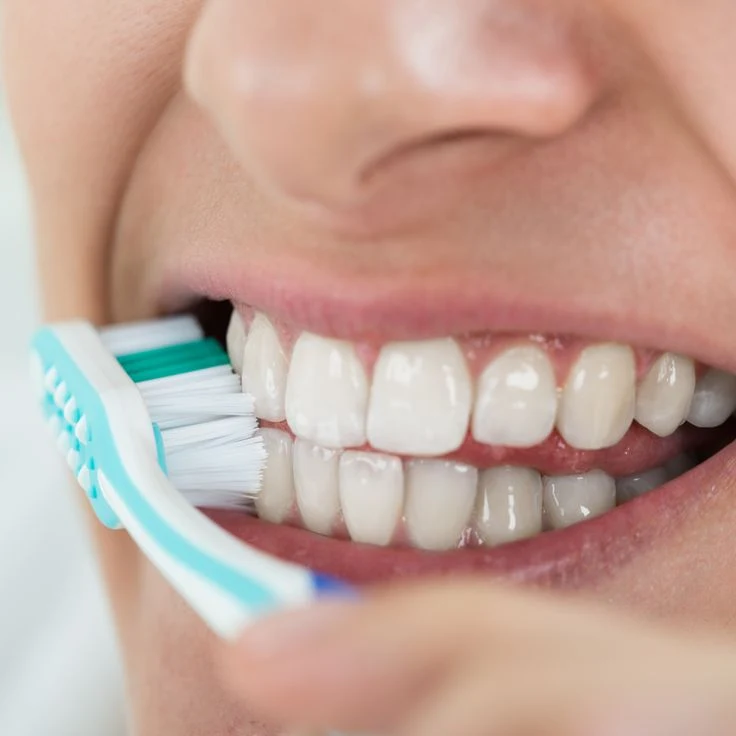
Most people only think about the dentist once something already hurts. But the honest truth — the one that doesn't make for a very exciting appointment — is that almost everything we treat at the clinic could have been prevented, or caught much earlier, with a handful of simple habits and a check-up twice a year.
This guide covers what actually matters for preventive dental care in Kanpur: the brushing and flossing technique that's usually done wrong, how often you really need a dental checkup in Kanpur, what scaling and polishing actually does, and the warning signs worth acting on early. Call +91 98385 00100 anytime you have a question, or book a consultation directly.
1. Why Prevention Matters More Than Treatment
A cavity caught early is a small filling. The same cavity, ignored for a year, can become a root canal. Gum inflammation caught early is a professional cleaning. Left untreated for years, it can mean bone loss around the teeth that can't be reversed. Preventive dentistry isn't a marketing phrase — it's simply the difference between a five-minute fix and a much longer, costlier one. At a good dental clinic in Kanpur, prevention is treated as seriously as treatment itself, because it's what keeps most patients out of the treatment chair in the first place.
2. The Correct Brushing & Flossing Technique
Brushing
Twice a day, for two minutes, with a soft-bristled brush held at a 45-degree angle to the gumline — not flat against the tooth surface. Most people brush too hard and too fast, which wears down enamel and irritates gums without actually cleaning better. Gentle, circular strokes clean more effectively than scrubbing side to side.
Flossing
A toothbrush cannot reach the tight contact point between two teeth — floss is the only thing that can. Skipping it means roughly a third of each tooth's surface never gets cleaned. Once a day, ideally at night, is enough.
Tongue Cleaning
A large share of the bacteria that cause bad breath live on the back of the tongue, not on the teeth. A tongue cleaner or the back of your toothbrush, used gently, makes a noticeable difference.
3. How Often You Actually Need a Dental Checkup in Kanpur
Every six months is the standard recommendation for most people, and there's a practical reason for it: early decay and early gum disease often don't hurt at all. By the time a cavity causes pain, it has usually already reached the deeper layers of the tooth. A routine dental checkup in Kanpur — a visual exam, sometimes an X-ray — catches problems while they're still small and inexpensive to treat. Patients with a history of gum disease, dry mouth, or ongoing orthodontic treatment may be advised to come in more often.
4. Scaling & Polishing — What It Is and Why It's Not Optional
Plaque that isn't removed daily hardens into tartar (calculus) within days, and tartar cannot be brushed away — only professionally removed. Scaling uses an ultrasonic instrument to clean below and above the gumline, and polishing smooths the tooth surface afterward, making it harder for new plaque to stick. This isn't a cosmetic add-on; tartar buildup is one of the leading causes of gum disease, which is why teeth cleaning in Kanpur every six to twelve months is generally recommended alongside daily brushing, not instead of it.
5. Diet and Cavities: What Really Causes Decay
Sugar itself doesn't damage teeth — the acid produced by bacteria feeding on that sugar does. Frequent snacking throughout the day, even on small amounts of sugar, keeps your mouth in an acidic state for longer than eating the same sugar in one sitting. Sticky foods that cling to teeth (like toffees or chips) tend to cause more damage than something sweet that's rinsed away quickly with saliva or water.
6. Fluoride — Myths vs Facts
Fluoride strengthens enamel and helps reverse very early decay before a cavity forms — it doesn't damage teeth when used at recommended concentrations, contrary to a fairly persistent myth. A fluoride toothpaste, used correctly (a pea-sized amount, spat out rather than swallowed), is one of the simplest and most well-supported preventive tools available. Professional fluoride application at a dental visit is an additional, more concentrated step recommended for patients at higher risk of decay, including many children.
7. Warning Signs You Shouldn't Ignore
- Bleeding gums when brushing or flossing — this is not normal, even if it doesn't hurt
- Sensitivity to hot, cold, or sweet foods that lingers for more than a few seconds
- Persistent bad breath that doesn't improve with brushing
- Visible dark spots, pits, or rough patches on a tooth
- Gums that appear to be pulling away from a tooth, making it look longer
None of these need to be an emergency, but none of them should be ignored for months either.
8. Preventive Dental Care at Dr Sawhney's My Dentist
At Dr Sawhney's My Dentist, Kakadeo, preventive visits include a full oral examination, professional scaling and polishing, and — where needed — fluoride application, carried out by MDS-qualified specialists rather than being treated as a quick add-on before a bigger procedure. For families, preventive check-ups are also the easiest way to catch problems in children early, alongside the specific guidance covered in our paediatric dentistry care. If gum disease is already present, our gum treatment and periodontics team manages it from the same clinic. As one of the more established names among dental clinics in Kanpur, the goal at every preventive visit is simple: catch small problems while they're still small.
9. Frequently Asked Questions
How often should I really visit the dentist?
Every six months for most people, though your dentist may suggest a different interval based on your gum health, cavity history, or any ongoing treatment.
Does scaling damage the enamel or make teeth loose?
No. Scaling removes tartar sitting on the tooth and root surface — it does not remove enamel. Any temporary sensitivity afterward usually settles within a few days.
Is mouthwash a substitute for brushing and flossing?
No. Mouthwash can reduce bacteria and freshen breath, but it cannot physically remove plaque the way brushing and flossing do. It's a supplement, not a replacement.
Can preventive dental care in Kanpur really avoid the need for a root canal or extraction later?
In a large number of cases, yes — most root canals and extractions we see start as a small cavity that went unnoticed or untreated for a long time. Regular checkups are what catch that cavity early.
Is fluoride toothpaste safe for daily use?
Yes, at the standard concentrations used in regular toothpaste, fluoride is safe and effective for daily use in both adults and children old enough to spit rather than swallow.
At what age should preventive dental visits start?
Ideally by the time a child's first tooth appears or by their first birthday, so that preventive habits and monitoring begin before any problems do.
10. Conclusion
Preventive dental care isn't about doing anything dramatic — it's brushing correctly, flossing daily, eating with a little more awareness, and not skipping the six-month checkup because nothing hurts yet. That last part matters more than people realise, since the whole point of prevention is catching problems before they announce themselves. If it's been a while since your last visit, a routine checkup and cleaning at Dr Sawhney's My Dentist, Kakadeo, Kanpur is a straightforward place to start. Book a consultation or call +91 98385 00100.
Related Articles
 Dental Tips
• Dr. Karuna Singh Sawhny
Family & Kids Dentistry in Kanpur: A Parent's Guide to Your Child's Dental Health
A parent's guide to children's dental care in Kanpur — first visits, cavity prevention, sealants and choosing the right family dentist, from MDS specialists at Kakadeo.
Read More Dental Tips
• Dr. Asheesh K. Sawhny
Best Dentist in Kanpur: The Complete 2026 Guide to Choosing the Right Dental Clinic
Looking for the best dentist in Kanpur? Dr Sawhney’s My Dentist, Kanpur offers painless RCT, implants, braces & smile makeovers. MDS specialists. Book today.
Read MoreHave a dental question?
Speak with a specialist at DR SAWHNEY’S MY DENTIST — we'll guide you honestly.