
Gum Treatment in Kanpur — specialist periodontal care.
Gum health assessed at every check-up at DR SAWHNEY’S MY DENTIST, Kakadeo, with the same clinical rigour applied to teeth themselves.
What is periodontics?
Periodontics is the dental specialty focused on the health of the gums, bone and supporting structures that hold your teeth in place. Gum disease is the leading cause of tooth loss in adults worldwide, and the most frequently underdiagnosed dental condition.
Dr. Asheesh Sawhny's endodontic and restorative background gives him a comprehensive understanding of how gum and bone health affects the longevity of every other dental treatment — from fillings to implants.
Signs and symptoms of gum disease.
Bleeding gums when brushing, flossing, or eating
Red, swollen, or tender gums
Persistent bad breath (halitosis) that does not resolve with brushing
Gums that appear to be pulling away from teeth
Teeth that look longer than they used to
Loose or shifting teeth
Gaps developing between teeth
Pus between teeth and gums
Stages of gum disease.
Gingivitis
The earliest stage. Gums are inflamed and may bleed but no bone loss has occurred — fully reversible with professional cleaning and improved home care.
Early Periodontitis
Infection has begun to affect the bone supporting teeth. Pockets form between teeth and gums — reversible with timely treatment.
Moderate to Advanced Periodontitis
Significant bone loss, deep pockets, and potential tooth mobility. Requires more intensive treatment; tooth loss risk is real at this stage.
Gum treatment services at DR SAWHNEY’S MY DENTIST.
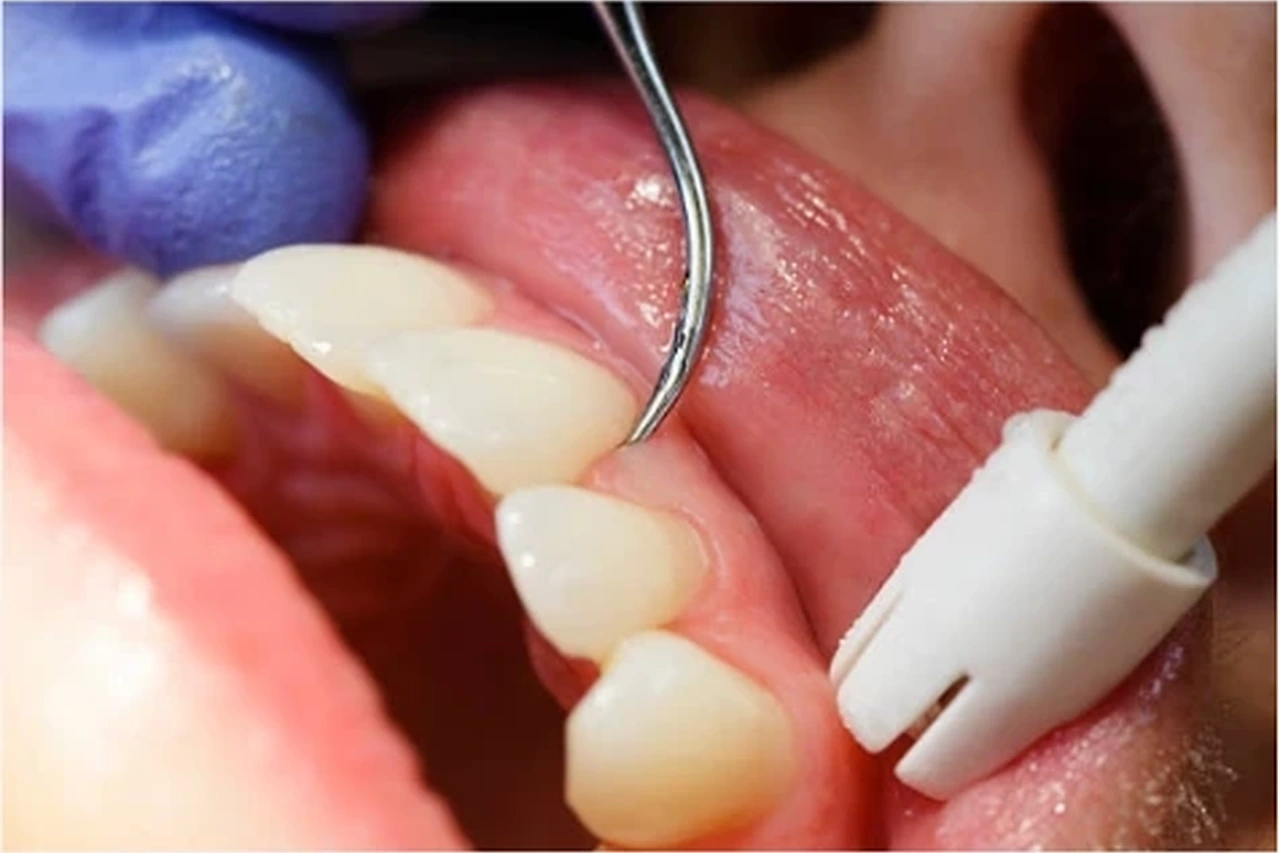
Scaling and Root Planing
The primary non-surgical treatment — tartar, bacteria and infected tissue removed above and below the gum line, under local anaesthesia.
Subgingival Debridement
Thorough cleaning of deep periodontal pockets where standard scaling cannot reach. For select cases, this is supported by our NovoLase Gold dental laser for flap-less, minimally invasive pocket decontamination — essential for moderate to advanced disease.
Supportive Periodontal Therapy
Regular maintenance appointments, typically every three to four months, maintain stability and prevent recurrence.
Gummy Smile Correction
Excess gum tissue covering teeth can be conservatively reduced to improve the proportion of your smile.
Benefits of treating gum disease.
Stops progressive bone and tooth loss
Eliminates bleeding, swelling, and gum discomfort
Resolves persistent bad breath caused by periodontal infection
Protects the longevity of existing restorations and implants
Reduces systemic health risks — linked to cardiovascular disease and diabetes
Creates a stable foundation for any future dental treatment
The gum treatment process at DR SAWHNEY’S MY DENTIST.
Periodontal assessment
Pocket depths, gum recession and bone levels are measured. A clear diagnosis is explained before treatment begins.
Scaling & root planing
Deep cleaning performed in sections under local anaesthesia — typically two to four appointments depending on severity.
Review & re-assessment
Six to eight weeks after treatment, gum health is re-evaluated and pocket depths re-measured.
Maintenance
A personalised schedule, usually three to four monthly visits, to maintain stability long-term.
Implant-aware gum care.
Digital RVG X-rays for precise bone level assessment, and honest, non-alarmist communication — at every periodontal review.
Meet your gum care specialist
Dr. Asheesh Sawhny (BDS, MDS) leads periodontal care at DR SAWHNEY’S MY DENTIST, Kanpur.

Visible gum health restored.
Gum Treatment FAQs.
Is bleeding from gums normal?
No. Healthy gums do not bleed with normal brushing or flossing — it is the earliest sign of gum inflammation.
Can gum disease be cured?
Gingivitis is fully reversible. Periodontitis cannot be fully reversed once bone is lost, but it can be arrested and stabilised.
Does gum treatment hurt?
Scaling and root planing is performed under local anaesthesia. Mild post-treatment soreness resolves within a few days.
How long does gum treatment take?
Moderate periodontitis typically requires two to four appointments over four to six weeks, followed by a review.
Can gum disease affect my overall health?
Yes. It is linked to cardiovascular disease, poorly controlled diabetes, respiratory conditions and adverse pregnancy outcomes.
Can I get dental implants if I have gum disease?
Not until the gum disease is treated and stabilised — active infection is a contraindication to implant placement.
How can I prevent gum disease?
Twice-daily brushing, daily interdental cleaning, a low-sugar diet, not smoking, and six-monthly professional check-ups.
Book your gum health assessment at DR SAWHNEY’S MY DENTIST, Kakadeo.
Early diagnosis preserves more bone and more teeth — the sooner you start, the better the outcome.