
Dental Implants vs Dentures in Kanpur: Which Is Better for Missing Teeth?
• By Dr. Asheesh K. Sawhny
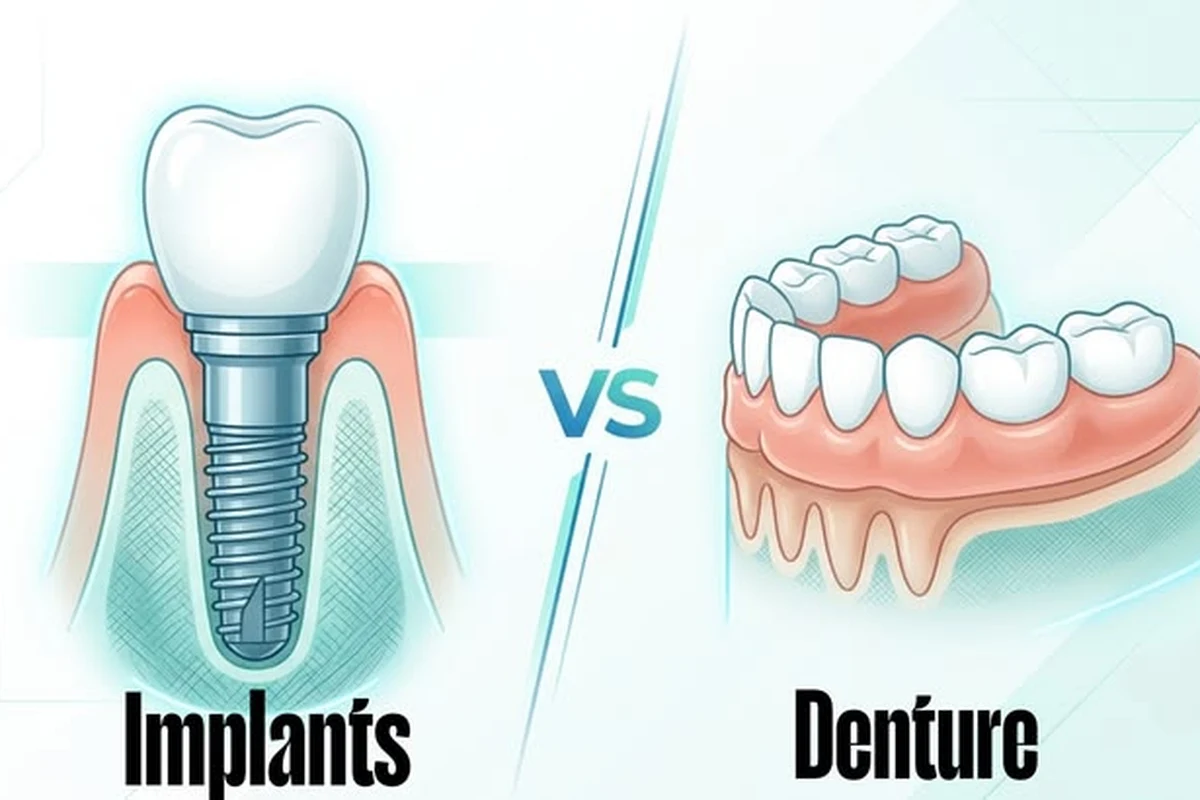
Missing teeth change more than your smile. Everyday things — eating a hot samosa without wincing, laughing freely at a family gathering, saying a full sentence without a slight lisp — quietly get harder. If you've been searching for tooth replacement options in Kanpur, you have almost certainly landed on two names: dental implants and dentures.
Both work. Both have been trusted by patients in Kanpur for decades. But they solve the problem of missing teeth in very different ways, and the "better" option genuinely depends on your bone health, budget, lifestyle and how many teeth you've lost. This guide breaks down dental implants vs dentures in plain language, from the specialists at Dr Sawhney's My Dentist – A Super Speciality Dental Clinic, Kakadeo, Kanpur — so that by the end, you'll know which questions to ask when you sit down for a missing teeth treatment consultation.
Table of Contents
- 1. Understanding the Two Options
- 2. Dental Implants vs Dentures: A Side-by-Side Comparison
- 3. Advantages and Disadvantages, in Detail
- 4. Who Should Consider Implants, and Who Should Consider Dentures?
- 5. Cost Factors to Consider (Without the Guesswork)
- 6. How to Choose the Right Option for You
- 7. Why This Decision Deserves a Specialist Consultation
- 8. Frequently Asked Questions
1. Understanding the Two Options
What Are Dental Implants?
A dental implant is a small titanium post that is surgically placed into the jawbone, essentially replacing the root of a missing tooth. Over a period of weeks, the bone fuses to the titanium in a process called osseointegration. Once that fusion is complete, a custom-made crown is fixed on top — recreating a tooth that looks, feels and bites like a natural one.
Because implants replace the root and not just the visible tooth, they are widely considered the gold standard for tooth replacement. They can be used for a single missing tooth, several missing teeth, or — with implant-supported bridges and full-arch solutions — an entire jaw.
What Are Dentures?
Dentures are removable prosthetic teeth, custom-made to fit the shape of your gums and jaw. They come in two broad types:
- Complete dentures — for patients who have lost all their teeth in an arch
- Partial dentures — for patients who still have some healthy natural teeth, with the denture clipping onto them for support
Dentures sit on top of the gums rather than being anchored into the bone. They are removed for cleaning and, usually, overnight.
2. Dental Implants vs Dentures: A Side-by-Side Comparison
| Factor | Dental Implants | Dentures |
|---|---|---|
| Stability | Fixed in the jawbone; does not move while eating or speaking | Rests on the gums; can shift, especially with lower dentures |
| Appearance | Closely mimics a natural tooth, including the root | Natural-looking but can look slightly bulkier at the gumline |
| Chewing comfort | Near-normal bite force; most foods can be eaten without restriction | Reduced bite force; harder or sticky foods may need to be avoided |
| Bone health | Helps preserve jawbone volume through normal chewing stimulation | Does not stimulate bone; jawbone tends to shrink gradually over time |
| Maintenance | Brush and floss like natural teeth; regular dental check-ups | Must be removed daily for cleaning; needs a denture-cleaning routine |
| Durability | Can last decades, often a lifetime, with good care | Typically need relining or replacement every 5–8 years as the jaw changes shape |
| Treatment time | Several months, due to the healing and osseointegration period | Can often be fitted in a few weeks |
| Initial investment | Higher upfront cost | Lower upfront cost |
| Surgery involved | Minor surgical placement under local anaesthesia | Non-surgical |
| Best suited for | Patients with adequate bone density, wanting a permanent, fixed solution | Patients who prefer a non-surgical option, need a faster or more budget-conscious solution, or aren't candidates for implants |
3. Advantages and Disadvantages, in Detail
Dental Implants
Advantages: Implants feel and function closest to natural teeth. Because they don't rely on neighbouring teeth for support the way a bridge does, healthy teeth next to the gap are left untouched. They also help maintain the natural contour of your face by preventing the bone loss that follows tooth extraction.
Disadvantages: The process takes longer — usually three to six months from placement to final crown, depending on healing. It involves a minor surgical procedure, and candidacy depends on having enough healthy jawbone (though bone grafting can sometimes address this). The initial cost is also higher than dentures.
Dentures
Advantages: Dentures are non-surgical, generally quicker to fit, and are a lower-cost entry point for replacing missing teeth. Modern dentures — especially when properly fitted by a specialist — look considerably more natural than older versions many people remember.
Disadvantages: Because they sit on the gums rather than integrating with bone, dentures can loosen over time as the jawbone gradually resorbs. Many patients notice some difficulty with harder foods, occasional slipping while speaking or laughing, and the need for adhesives or periodic relining. They also require a slightly more involved daily cleaning routine.
4. Who Should Consider Implants, and Who Should Consider Dentures?
There's no universal answer — but here's a general framework that specialists in Kanpur typically use during a consultation:
Implants may be a strong option if you:
- Have one or a few missing teeth and want a fixed, long-term solution
- Have reasonably good bone density in the jaw
- Are in general good health, with no conditions that would significantly complicate healing
- Prefer a solution that avoids affecting your other natural teeth
- Are comfortable with a treatment timeline of a few months
Dentures may be considered when you:
- Have lost most or all of your teeth and want a faster, lower-cost path to a functional smile
- Have significant bone loss that would require extensive grafting for implants
- Have certain medical conditions that make implant surgery inadvisable
- Want a non-surgical option, at least for now
It's also worth knowing that these two options aren't always an either/or choice. Implant-supported dentures — where a small number of implants anchor a removable or fixed denture — combine much of the stability of implants with a cost closer to traditional dentures, and are increasingly used for patients who have lost most of their teeth but still want more security than a conventional denture provides.
5. Cost Factors to Consider (Without the Guesswork)
Exact pricing for both implants and dentures in Kanpur depends on several variables, so rather than quoting numbers that may not apply to your case, it helps to understand what actually drives the cost:
- Number of teeth being replaced — a single implant costs differently than a full-arch restoration
- Implant system used — some cases require specific implant systems, for example, for patients with more complex bone conditions
- Type of denture — complete vs partial, and the materials used for the denture base and teeth
- Preparatory procedures — bone grafting or a tooth extraction prior to treatment adds to the overall plan
- Diagnostics — X-rays, 3D scans and impressions
- Clinic and specialist expertise — specialist-led, digitally planned treatment is priced differently from general, non-specialist care
Rather than comparing the dental implant cost in Kanpur across clinics on price alone, ask each clinic for a written, itemised treatment plan after examination — this is the only reliable way to compare like with like.
6. How to Choose the Right Option for You
- Start with an honest assessment of your bone and gum health. This single factor often narrows the decision more than budget does.
- Be clear about your timeline. If you need a functional smile quickly, dentures (or a temporary solution while implants heal) may fit better.
- Think about long-term cost, not just upfront cost. Dentures often need relining or replacement within several years, while a well-placed implant is designed to last much longer — factor this into your comparison.
- Consider your comfort with a minor surgical procedure. Some patients strongly prefer a non-surgical route, at least initially.
- Get a specialist opinion, not just a general one. Tooth replacement sits at the intersection of prosthodontics (the design and fit of the replacement teeth) and implant dentistry — a specialist who works across both can give you an unbiased comparison rather than steering you toward the treatment their clinic happens to focus on.
7. Why This Decision Deserves a Specialist Consultation
At Dr Sawhney's My Dentist in Kakadeo, Kanpur, both sides of this decision are handled in-house. Implant care is led by an AAID-certified implantologist with over two decades of clinical experience, using digital planning to assess bone density and candidacy before any treatment begins. On the other side, prosthodontic specialists design and fit crowns, bridges and dentures with the same digital precision, including implant-supported denture options for patients who want a middle ground between the two treatments.
Because the same clinic handles both dental implants in Kanpur and denture-based prosthodontics, the recommendation you receive is based on what suits your mouth and your life — not on which single treatment a clinic happens to specialise in.
Book Your Consultation Today →
8. Frequently Asked Questions
Are dental implants better than dentures?
For most patients with adequate bone health, implants offer better stability, comfort and long-term bone preservation. However, dentures remain a valid, effective option for many patients, particularly where cost, timeline or bone health make implants less suitable. The "better" choice depends on individual assessment.
How painful is getting a dental implant compared to dentures?
Implant placement is a minor surgical procedure done under local anaesthesia, with mild soreness for a few days afterward. Getting fitted for dentures is non-surgical and generally involves no significant discomfort, though some initial adjustment period is common as your gums get used to the appliance.
Can I switch from dentures to implants later?
In many cases, yes. Patients who start with dentures sometimes transition to implants or implant-supported dentures later, once budget or bone-grafting needs are addressed. A specialist consultation can evaluate whether your current bone structure would support this.
How long do dental implants last compared to dentures?
With good oral hygiene and regular check-ups, implants are designed to last a lifetime, though the crown on top may need replacement after a decade or more. Dentures typically need relining or replacement every five to eight years as the shape of your jaw changes over time.
Do implants or dentures look more natural?
Both can look very natural when made by an experienced specialist using quality materials. Implants tend to have a slight edge because the crown emerges from the gum the way a natural tooth root would, while a denture sits on top of the gum tissue.
What is the dental implant cost in Kanpur compared to dentures?
Implants generally involve a higher upfront investment than dentures, reflecting the surgical procedure, the implant fixture itself and the healing period involved. Dentures cost less initially but may need periodic adjustment or replacement. A written, itemised estimate after an in-person assessment is the most reliable way to compare actual costs for your specific case.
Who is not a good candidate for dental implants?
Patients with significantly reduced jawbone density, certain uncontrolled medical conditions, or heavy smokers may face higher risks with implants, though bone grafting and other techniques can sometimes address bone-related limitations. A specialist evaluation, including imaging, is needed to determine candidacy — dentures or implant-supported dentures may be recommended as an alternative in these cases.
Choosing between dental implants and dentures isn't something to guess at from an article — it depends on your bone health, your bite, and your day-to-day life. If you're weighing tooth replacement options in Kanpur, a specialist consultation is the clearest way to see exactly where you stand and what a realistic treatment plan and cost would look like for you.
Dr Sawhney's My Dentist – A Super Speciality Dental Clinic, Kakadeo, Kanpur. Call +91 98385 00100, or book your consultation online.
Related Articles
 Treatments
• Dr. Asheesh K. Sawhny
Best Endodontist & Implantologist in Kanpur – Dr. Asheesh Sawhny
Looking for the best endodontist or implantologist in Kanpur? Read this specialist-written guide to root canal treatment and dental implants at Dr Sawhney's My Dentist, Kakadeo.
Read More Treatments
• Dr. Karuna Singh Sawhny
Best Orthodontist and Invisalign Provider in Kanpur – Dr. Karuna Sawhny
Weighing up braces or Invisalign in Kanpur? Here's an honest, specialist-written guide to choosing the right orthodontist — from an MDS Orthodontist and certified Invisalign provider.
Read More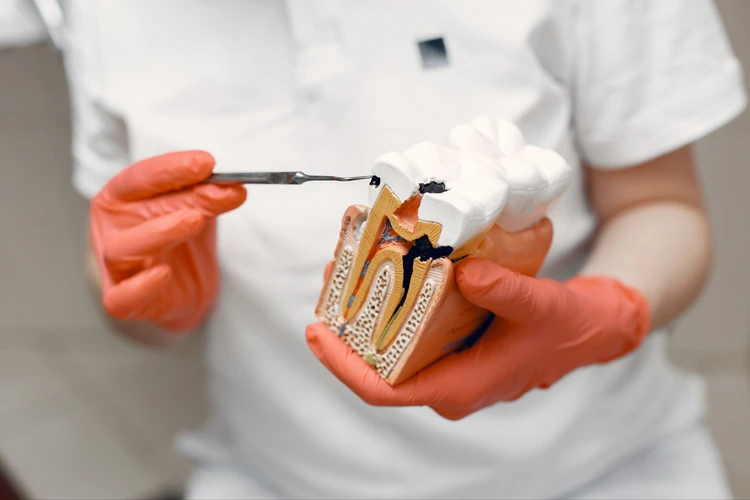 Treatments
• Dr. Asheesh K. Sawhny
Root Canal Treatment in Kanpur: The Complete 2026 Guide to Cost, Pain, and Recovery
Thinking about a root canal in Kanpur? Here is an honest, specialist-written guide to real costs, whether it actually hurts, and how to recover fast — from an MDS Endodontist.
Read MoreHave a dental question?
Speak with a specialist at DR SAWHNEY’S MY DENTIST — we'll guide you honestly.